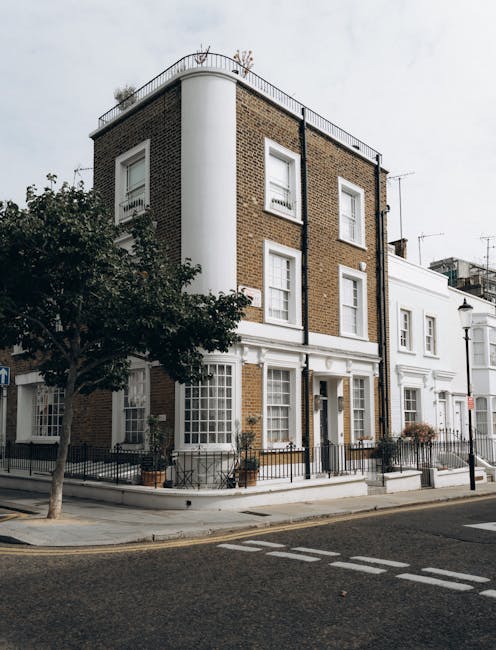
Westbourne Park flat guide: cleaning tips for Notting Hill
Posted on 29/04/2026
Westbourne Park Flat Guide: Cleaning Tips for Notting Hill
If you live in, rent out, or are moving into a flat around Westbourne Park, cleaning can feel oddly more complicated than it should. Small hallways, older finishes, busy shared entrances, and the constant shuffle of London life all change the job a bit. This Westbourne Park flat guide: cleaning tips for Notting Hill is here to make the process simpler, calmer, and more effective. You will find practical room-by-room advice, realistic timing tips, and the kind of local know-how that helps your flat stay fresh without turning cleaning day into a full weekend event.
And yes, there is a difference between a quick tidy and a proper clean. Anyone who has ever tried to remove dust from sash windows on a grey Sunday morning knows that. Let's make it manageable.

Why Westbourne Park flat guide: cleaning tips for Notting Hill Matters
Westbourne Park flats often sit in buildings that have a bit of character. That is part of the charm. It also means there may be quirks: narrow stairwells, communal dust that seems to return overnight, older radiators, painted skirting boards, and windows that show every bit of London grit after a windy week.
In Notting Hill, cleaning is not just about appearances. It can affect how your flat feels day to day, how easy it is to host guests, how smoothly a tenancy ends, and even how long surfaces last before they start looking tired. A good cleaning routine helps you keep control before dirt becomes damage. Truth be told, that is where most people save time and money.
If you are comparing broader cleaning options, the services overview is a useful place to understand what professional support typically covers, while domestic cleaning in Notting Hill can suit regular upkeep for busy homes.
There is also the local lifestyle side of it. Flats near Portobello and Westbourne Grove can see more foot traffic, more visitors, and more day-to-day wear than a quieter residential pocket. Dust, shoe marks, cooking odours, and bathroom moisture build up quickly in compact homes. The good news? A clear plan handles most of it before it becomes a nuisance.
How Westbourne Park flat guide: cleaning tips for Notting Hill Works
The best way to think about flat cleaning is in layers. Not everything needs the same attention at the same time. Some tasks are daily, some are weekly, and a few need proper monthly or seasonal care.
For a Westbourne Park flat, the practical approach usually looks like this:
- Daily reset: dishes, worktops, quick bathroom wipe, rubbish out, a 10-minute floor sweep.
- Weekly clean: dusting, vacuuming, kitchen surfaces, shower glass, mirrors, and visible skirtings.
- Monthly deeper clean: behind appliances, radiator tops, grout lines, window tracks, and soft furnishings.
- Seasonal refresh: upholstery, carpets, mattress care, vents, and any neglected corners.
This layered method works because flats in Notting Hill tend to be lived in intensely. Small spaces collect evidence of daily life fast. A tea splash on a splashback, a bit of mud by the door, a fine film of dust on shelves near busy roads. Nothing dramatic. Just enough to dull the place if you ignore it.
If you are dealing with carpets that trap odours or show heavy use, dedicated carpet cleaning in Notting Hill can make a noticeable difference. Likewise, if sofas or dining chairs are starting to look a little tired, upholstery cleaning in Notting Hill is often the better move than simply scrubbing harder.
The key is not perfection. It is consistency. A flat that is cleaned little and often usually stays healthier, looks better, and takes less effort overall.
Key Benefits and Practical Advantages
A smart cleaning routine brings more than visual neatness. In a compact London flat, the gains are very practical.
- Less buildup, less stress: Regular cleaning stops jobs from ballooning into exhausting marathons.
- Better air feel: Dust, cooking residue, and damp-smelling textiles make a flat feel stale fast.
- Longer life for fixtures: Worktops, grout, taps, and fabrics last longer when cleaned correctly.
- Easier move-outs: If you are approaching the end of a tenancy, a cleaner flat reduces last-minute panic.
- Better first impressions: Whether someone is visiting, viewing, or moving in, a clean flat simply lands better.
There is also a quieter benefit. A well-kept flat tends to feel easier to live in. You notice it at 7:30 on a weekday morning when the kitchen is calm, or when you come home after a wet commute and the hallway already feels under control. Small thing, but it matters.
Expert summary: For most Westbourne Park flats, the best results come from a simple routine, targeted deep-cleaning, and a few high-impact tasks done properly rather than everything done constantly.
That last point is worth underlining. You do not need to clean every surface every day. You need the right surfaces at the right intervals.
Who This Is For and When It Makes Sense
This guide is useful for a few different people, and not all of them are looking for the same outcome.
- Tenants: If you want to keep on top of a rental flat and avoid end-of-tenancy surprises.
- Landlords and property managers: If you need a presentable flat between occupancies or before viewings.
- Homeowners: If you live in the area and want a practical upkeep plan that fits real life.
- New movers: If you have just moved in and want a clean baseline from day one.
- Busy professionals: If your schedule is already full and the flat keeps slipping down the list.
It also makes sense if you are considering a move. A lot of readers looking at the area start with lifestyle questions, then realise maintenance matters just as much. If that is you, the article on whether Notting Hill is the right move gives useful local context. And if you are exploring how homes in the area are typically arranged, this guide to Notting Hill real estate helps frame what kind of property you may be dealing with.
For end-of-tenancy situations especially, cleaning becomes less about routine and more about standards. If that is your stage, have a look at end of tenancy cleaning in Notting Hill because expectations can be more exacting than people think.
Step-by-Step Guidance
Here is a simple sequence that works well for most flats around Westbourne Park and wider Notting Hill. It is practical, not fussy.
1. Start with clutter, not chemicals
Before you wipe anything down, remove loose items. Mail, coats, shoes, chargers, random cups, the usual suspects. Cleaning around clutter wastes time and creates patchy results. Put items back only after the surfaces are actually done.
2. Work top to bottom
Dust falls. That sounds obvious, but it is easy to forget in a small flat. Start high with shelves, light fittings, and picture frames, then move to surfaces, then floors. Otherwise you end up cleaning the same area twice. Annoying, but fixable.
3. Tackle the kitchen in zones
The kitchen is often the most-used room in a Notting Hill flat, especially if it is compact. Divide it into zones:
- Prep area: clear counters, wipe crumbs, degrease lightly.
- Cooking area: hob, extractor hood, splashback, handles.
- Storage area: cupboard fronts, shelf edges, fridge door, bin area.
One real-world tip: pay attention to kettle scale, toaster crumbs, and the sticky patches around handles. They are small, but they make the whole room feel less clean than it is.
4. Give the bathroom extra patience
Bathrooms in flats often struggle with limescale, soap residue, and ventilation issues. Use a limescale-safe product where appropriate, clean taps and screens carefully, and never leave damp mats sitting there for days. If there is poor airflow, a brief post-shower wipe of wet surfaces can save you a lot of hassle later.
5. Clean soft furnishings properly
Rugs, curtains, sofas, and mattresses hold on to dust in a way hard surfaces never do. Vacuum upholstery slowly using the right attachment. Rotate cushions. If a sofa is looking a little flat or marked, professional upholstery cleaning may be more effective than repeated home spot-treating.
6. Finish with floors and touchpoints
Floors are the last step because they collect everything else. Focus on high-traffic routes: hallway, kitchen, bedside areas, and the path from the front door. Then wipe touchpoints like switches, handles, and banisters. These are the places people notice without really noticing.
If your flat has carpets and hard flooring mixed together, you may need to split the routine accordingly. That is normal. Most good flats are a bit mixed-up like that anyway.
Expert Tips for Better Results
Experienced cleaners usually rely on a few habits that make a big difference. Nothing glamorous. Just sound habits.
- Use the least aggressive product that works. Stronger is not always better, especially on painted wood, stone, or older fittings.
- Test new products in a small area first. This matters for delicate surfaces and mixed-material furniture.
- Keep microfiber cloths separate by job. Kitchen, bathroom, glass, and general dusting cloths should not all do the same round.
- Let products dwell where needed. A quick wipe is not always enough for grime. Give cleaners time to work, then remove properly.
- Ventilate after cleaning. Particularly in smaller flats, opening windows for a short while helps surfaces dry and leaves the flat feeling fresher.
One overlooked point: think about sequence around the front door. In many Westbourne Park flats, the entrance area takes more abuse than any other space. Shoes, umbrellas, pram wheels, takeaway bags, and general street dust all land there first. If you keep that threshold clean, the rest of the flat tends to stay tidier with less effort. Funny how that works.
For readers who want a practical local angle beyond the flat itself, the piece on Portobello Road flat cleaning tips for Notting Hill W11 offers more area-specific advice that lines up well with this guide.

Common Mistakes to Avoid
Most cleaning problems come from a few very ordinary mistakes. The good news is they are easy to fix once you spot them.
- Using too much product: This can leave residue and make surfaces tacky.
- Ignoring ventilation: Damp bathrooms and kitchens need airflow, not just wiping.
- Cleaning in the wrong order: If you vacuum before dusting, you are creating extra work.
- Forgetting hidden edges: Behind taps, under appliance lips, and along skirting boards often show the biggest difference.
- Putting off deep cleaning: Small tasks become bigger and more unpleasant the longer they sit.
A classic example is the "I'll do it properly next weekend" trap. Next weekend arrives, there is a birthday lunch, the weather turns, and suddenly the flat is two weeks dirtier than before. Happens all the time. To be fair, life does get in the way. But a short, regular routine usually beats an ambitious clean you never quite start.
Another mistake is treating every stain the same way. A coffee mark on upholstery is not the same as kitchen grease on a cabinet, and using one all-purpose attack plan can make things worse. Sometimes restraint is the smarter move.
Tools, Resources and Recommendations
You do not need a van full of gear. A small, reliable toolkit is better than a cupboard full of half-used bottles.
Basic toolkit
- Microfiber cloths
- Vacuum cleaner with upholstery and crevice attachments
- Non-abrasive sponge pads
- Glass cloth or lint-free cloth
- Bucket or caddy for carrying supplies
- Rubber gloves if you prefer them
- Gentle all-purpose cleaner
- Limescale remover suitable for the surface
Helpful resources
If you want to understand what a professional provider can cover, the house cleaning service in Notting Hill is a good reference point for routine home support. For a deeper look at what you are paying for and how quotes are usually structured, the pricing and quotes page is worth checking before you book anything.
And if your needs are broader than a flat clean alone, about the company can help you judge the kind of service culture behind the work. In a neighbourhood like this, trust and consistency matter quite a bit.
Law, Compliance, Standards, or Best Practice
For most home cleaning, there is no complicated legal framework you need to memorise. Still, a few sensible standards matter, especially if you are using a service or dealing with a tenancy.
Health and safety: Cleaning products should be used according to their label, surfaces should be tested where needed, and slippery floors should be left safe before use. If you are hiring help, check the provider's health and safety policy and insurance and safety information. That is just good practice, not paranoia.
Tenancy expectations: In rental homes, the condition expected at move-out is usually set by the tenancy agreement, inventory, and general property condition. It is wise to keep records, photos, and any communication with your landlord or agent. Standards can vary, so avoid guessing.
Materials and finishes: Some flats include marble-look worktops, engineered wood, older paintwork, or delicate fittings. Best practice is to clean conservatively unless you know the material well. Harsh scrubbing can do more damage than the original dirt.
Provider transparency: If you are hiring a cleaner, clarity on pricing, scope, and complaints handling is useful. The pages on payment and security, complaints procedure, and terms and conditions are practical checkpoints before you book.
None of this is about making cleaning complicated. It is about keeping things fair, safe, and predictable. In a busy part of London, that matters more than people think.
Options, Methods, or Comparison Table
Different cleaning methods suit different situations. Here is a simple comparison to help you decide what makes sense for your flat.
| Method | Best for | Pros | Limitations |
|---|---|---|---|
| Regular domestic cleaning | Busy households, ongoing upkeep | Keeps the flat consistently fresh, saves time | May not handle heavy buildup on its own |
| Deep cleaning | Seasonal reset, neglected spaces, pre-event prep | Targets grime, edges, and hard-to-reach areas | More time-intensive and often more expensive |
| End-of-tenancy cleaning | Move-outs and rental handovers | Focused on move-out standards and presentation | Usually needs more detail than a normal clean |
| Carpet or upholstery cleaning | Stains, odours, visible wear on soft furnishings | Refreshes textiles and improves appearance | Not a substitute for cleaning the whole flat |
The right choice depends on the condition of the flat and your timeline. A flat that is kept tidy week to week often only needs a deeper service now and then. A flat that has gone a bit quiet for months usually needs more than a quick once-over. No surprise there.
Case Study or Real-World Example
Here is a realistic example from the kind of flat many people live in around Westbourne Park: a one-bedroom place with a small hallway, open-plan kitchen-living room, compact bathroom, and a carpeted bedroom. The occupants were both working long hours, so cleaning had become a Sunday scramble.
The main problems were simple: dust on shelves, greasy kitchen handles, a bathroom mirror that never seemed to stay clear, and an armchair that held on to pet hair and the faint smell of takeaway nights. Nothing dramatic. Just a home that had drifted a little.
The fix was also simple:
- A 15-minute nightly reset for kitchen and hallway
- Weekly vacuuming with a slower pass on the rug and under the sofa edge
- Fortnightly bathroom limescale treatment
- Monthly attention to upholstery and window tracks
- One deeper clean before guests arrived in the spring
After a few weeks, the flat didn't just look cleaner. It felt easier to live in. The couple stopped facing the same huge Sunday job every week, and the room smelled fresher without trying too hard. That is the real win, frankly. Not spotless perfection. Just a home that stays manageable.
For situations where the carpet or soft furnishings have taken more wear than expected, a targeted service like carpet cleaning in Notting Hill can provide a visible reset without replacing anything unnecessarily.
Practical Checklist
Use this quick checklist before, during, or after your clean.
- Remove clutter from floors, counters, and bedside surfaces
- Open windows briefly to improve airflow
- Dust from top surfaces down to lower ones
- Clean the kitchen in zones: prep, cook, storage, bin area
- Wipe bathroom taps, tiles, screens, and mirrors
- Vacuum carpets, rugs, and upholstery slowly and thoroughly
- Clean touchpoints like handles, switches, and banisters
- Check skirting boards, window ledges, and hidden edges
- Let damp areas dry fully before using the space again
- Do one final walkthrough in daylight if possible
Quick reminder: if you are preparing for a landlord inspection, sale viewing, or move-out, take photos once the flat is finished. It sounds obvious, but people forget and then regret it later. Happens more than you'd think.
Conclusion
A good cleaning plan for a Westbourne Park flat is not about chasing perfection. It is about knowing where dirt tends to gather, how often each task needs attention, and when to bring in extra help. In Notting Hill, where flats often combine charm with practical quirks, that balance matters. A little structure goes a long way.
If you keep the routine simple, use the right tools, and stay ahead of the high-traffic areas, your flat will feel calmer and easier to live in. And if you need a deeper refresh, there is no shame in handing over the heavy lifting. Sometimes that is the sensible move.
Get a free quote today and see how much you can save.
For a closer look at the team behind the service, you can also visit the Notting Hill local guide or explore where to throw a bash in Notting Hill if you are thinking about hosting once the flat is looking its best. A clean home changes the mood a bit, in the nicest way.