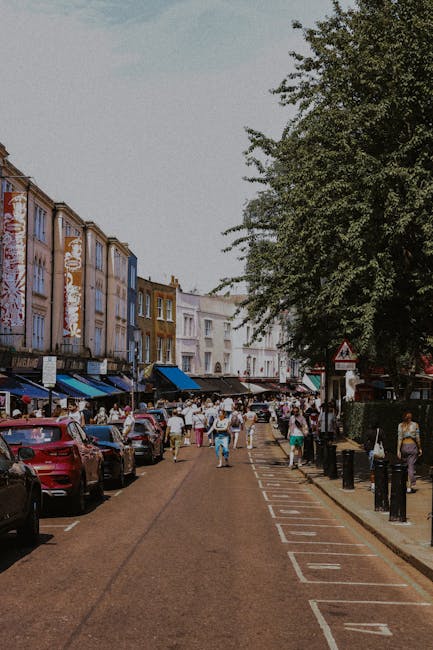
Notting Hill Carnival Aftermath Clean-Up Services 2026: A Practical Guide for Homes, Businesses and Event Spaces
When the music fades and the last crowd drifts away, the real work begins. Notting Hill Carnival aftermath clean-up services 2026 are about more than sweeping up confetti and bins; they're about restoring streets, shopfronts, communal areas, homes, and commercial spaces to a safe, usable condition quickly and properly. If you're responsible for a property near the route, a venue, a retail unit, or a managed block in W11, you already know the morning after can feel a bit overwhelming. That's exactly where a structured clean-up plan matters.
In this guide, we'll walk through what these services usually involve, why they matter, who they're for, and how to judge whether you need a one-off team, a deeper clean, or a more specialist response. We'll also cover practical steps, common mistakes, and the kind of standards worth expecting in 2026. No fluff. Just the useful stuff, the kind you want when there's litter at the kerb, sticky patches on the pavement, and a smell in the air that tells you someone had a very long weekend.
For readers looking for broader cleaning support in the area, it can also help to understand the difference between routine maintenance and specialist work. Services such as commercial cleaning, deep cleaning, and one-off cleaning often form part of the same recovery plan, depending on the property and the level of disruption.
Table of Contents
- Why Notting Hill Carnival aftermath clean-up services 2026 Matters
- How Notting Hill Carnival aftermath clean-up services 2026 Works
- Key Benefits and Practical Advantages
- Who This Is For and When It Makes Sense
- Step-by-Step Guidance
- Expert Tips for Better Results
- Common Mistakes to Avoid
- Tools, Resources and Recommendations
- Law, Compliance, Standards, or Best Practice
- Options, Methods, or Comparison Table
- Case Study or Real-World Example
- Practical Checklist
- Conclusion
- Frequently Asked Questions
Why Notting Hill Carnival aftermath clean-up services 2026 Matters
Let's face it: large-scale events leave a footprint. After Carnival, there can be compacted litter, food waste, spillages, broken glass, cigarette ends, sticky surfaces, blocked gutters, and sometimes damage to decorative areas, frontage displays, or communal access points. In a busy London neighbourhood, that's not just untidy. It can affect safety, business continuity, resident satisfaction, and the impression your premises make the very next day.
For businesses, the stakes are immediate. A shopfront with litter piled against the entrance or a greasy residue on the pavement can discourage footfall. For landlords and managing agents, a messy shared entrance or bin store can quickly turn into complaints. For hospitality venues, the morning-after standard can shape whether guests feel confident enough to return. And for homeowners nearby, the issue is simpler but still real: you want your street, path, and exterior space back to normal without having to spend your own Sunday morning with a dustpan and a very questionable mood.
There's also a practical timing issue. Carnival clean-up often needs to happen early, before people start moving around again, before deliveries arrive, and before foot traffic spreads debris further. The sooner debris is removed, the less chance it has to be tracked into interiors, ground into surfaces, or create slip hazards. That's one reason organised post-event cleaning is so valuable in 2026. It's not about perfection for its own sake. It's about getting life back on track quickly and cleanly.
A good aftermath clean-up service also helps protect more delicate surfaces. Think painted railings, shared courtyards, patio slabs, windowsills, outdoor furniture, and communal flooring. A rushed sweep can miss the grime that matters most. A proper clean-up looks at the whole picture, not just the obvious litter.
How Notting Hill Carnival aftermath clean-up services 2026 Works
Post-event cleaning is usually planned in stages. The exact scope depends on the property, the size of the affected area, and how much debris has accumulated. In practical terms, a professional team will often start with a walkthrough to identify priority zones, access points, and any safety concerns. Then they move into removal, sweeping, collecting, surface cleaning, and final checks.
The process is different from a normal weekly clean. After Carnival, there may be mixed waste rather than one tidy type of mess. That can include paper cups, food packaging, broken glass, stains, drinks spillages, discarded flyers, and residue on hard floors or exterior paving. Sometimes there's also a bit of odour management involved, especially where food waste or drinks have sat in warm weather for a while. Nice, isn't it? Not really. But it is manageable.
Here's how a typical clean-up workflow often looks:
- Assessment: identify the affected area, access routes, and any hazards.
- Waste removal: collect loose litter, bag waste correctly, and separate recyclable material where appropriate.
- Surface clearing: sweep, vacuum, or hand-pick debris from paths, entrances, corners, and edges.
- Spot treatment: tackle stains, sticky spills, marks, and grime on paving, floors, railings, or exterior features.
- Detail work: clean around bins, thresholds, window ledges, and high-touch exterior points.
- Final inspection: check for missed debris, trip hazards, and any areas needing a second pass.
On the inside of a property, the work may extend into reception areas, entrance halls, corridors, communal kitchens, or toilet spaces if those were used heavily during the event. For deeper disruption, services like communal area cleaning and office cleaning can be folded into the post-event plan, especially if the property is shared or customer-facing.
In real life, the best results usually come from a service that can adapt. A small residential frontage will not need the same approach as a retail parade along a busy stretch near the route. The work should match the mess, not some rigid template. That sounds obvious, but you'd be surprised how often it isn't done that way.
Key Benefits and Practical Advantages
The most obvious benefit is a cleaner space. Fair enough. But the bigger value sits underneath that. A good aftermath clean-up service reduces risk, saves time, restores confidence, and helps you reopen or recommission a space without dragging the inconvenience into the next day.
1. Faster return to normal
If you run a business or manage property near Notting Hill Carnival, time matters. A fast turnaround means entrances can reopen, residents can come and go, and staff can work without having to clear away debris themselves first. That immediate reset is often worth more than people expect.
2. Better safety
Loose litter, slippery residue, broken glass, and wet patches can all create avoidable hazards. A proper clean-up helps reduce trip and slip risks, especially around doors, steps, shared paths, and high-traffic pavement areas.
3. Less wear on surfaces
The longer spillages and debris sit, the more likely they are to stain, scratch, or leave a residue. This matters for stone, resin, painted surfaces, polished floors, carpets near entrances, and outdoor furniture. A timely clean can make a real difference.
4. Better presentation
Whether you're welcoming residents, tenants, customers, or guests, first impressions count. A tidy exterior and clean entrance suggest care and competence. That's not marketing fluff. It's basic human behaviour.
5. Lower stress for staff and residents
There's a quiet benefit people often forget: a clean reset lowers the mood in a good way. Staff do not have to begin the day by dealing with mess. Residents don't have to complain. Managers don't have to chase half a dozen people for the same job. Peaceful, really.
Expert summary: The best Notting Hill Carnival aftermath clean-up services in 2026 are not just "fast". They are planned, safe, and matched to the property type. Speed is useful, but precision is what saves time in the long run.
Who This Is For and When It Makes Sense
This kind of service is useful for a surprisingly wide group of people. The common thread is simple: if Carnival activity has left your property or frontage harder to manage than usual, you'll probably benefit from professional help.
Businesses
Retailers, cafes, restaurants, salons, and office operators near the event route may need early-morning clean-up so they can open on time. Even a small amount of outdoor litter can affect how the front of your business looks before the first customer walks in.
Landlords and managing agents
Shared entrances, bin stores, courtyards, and access routes can take a beating after a busy weekend. If you oversee a block, a targeted after-event clean can prevent complaints and keep common areas presentable.
Homeowners and residents
If you live nearby, you may only need a one-off external clean or a deeper interior refresh where doors and windows were kept open. In some cases, a post-event service is simply the easiest way to reclaim the space without spending your whole morning at it.
Hospitality and short-let operators
For hosts, presentation is everything. A property that has to be turned around quickly may need a blend of external clean-up and interior attention. If guests are arriving soon after the event, services such as Airbnb cleaning and move-out cleaning can also become relevant, depending on the booking cycle and the level of use.
Event-adjacent venues
Some venues host private gatherings, after-parties, or related hospitality events. These spaces often need a more complete reset because debris is only part of the story; there may also be floor marks, bathroom use, glassware handling, and spillages in social spaces.
When does it make sense to book? Usually when you look at the space and think, "This will take our team far too long, and they'll never do it properly before opening." That's a good clue. Another clue is if the clean-up is likely to affect staffing, customer access, or safety before midday. In those moments, bringing in support is not a luxury. It's sensible.
Step-by-Step Guidance
If you want the clean-up to run smoothly, a bit of planning goes a long way. Here's a simple approach that works well in practice.
Step 1: Walk the site early
Check the space as soon as it's safe to do so. Note the entrances, exits, bins, problem patches, and any spots where litter has gathered. If there's damage or anything suspicious, keep that separate from the usual cleaning list.
Step 2: Separate priorities
Not everything needs to be fixed at once. Decide what affects safety first, then access, then appearance. For example: broken glass near an entrance comes before cosmetic litter, and blocked pathways come before detailed edge work.
Step 3: Choose the right level of service
Ask yourself whether you need a surface tidy, an exterior deep clean, or a full reset. Some sites may only need a focused one-off cleaning visit. Others may need a broader package that includes floors, windows, and shared areas.
Step 4: Confirm access and timing
Timing matters more than people think. Make sure the team knows when they can access the site, where they can park or unload, and whether there are any restrictions for residents, staff, or neighbouring properties. A delay of 20 minutes can snowball fast on a busy morning.
Step 5: Ask about waste handling
Find out how waste will be collected, bagged, and disposed of. If recycling can be separated safely, that's ideal. If not, ask for clear disposal arrangements so nothing is left behind in the wrong place.
Step 6: Request a final inspection
Before the team leaves, do a quick walk-through. Check corners, edges, threshold lines, and the areas people naturally notice first. If you want the space to look genuinely cared for, this final look is worth it.
One small but useful detail: if you're dealing with both exterior and interior issues, ask for a sequence rather than a single pass. Exterior debris can get tracked inside if you clean the wrong way round. Annoying, but avoidable.
Expert Tips for Better Results
Over the years, the clean-ups that go best tend to share a few traits. Nothing flashy. Just sensible decisions made early.
Be specific about the mess
Say whether the issue is mainly litter, stains, odour, glass, or a combination. A vague brief gets a vague result. A clear brief gets the right tools and the right number of people.
Don't ignore soft surfaces
People often focus on pavement and forget fabric, mats, carpets, or upholstery near entrances. If debris or odours have made their way inside, services like carpet cleaning, rug cleaning, and upholstery cleaning may be the difference between "tidy enough" and "properly reset".
Use the early light if possible
Morning light makes missed debris easier to spot. It sounds almost too simple to mention, but it works. You'll notice marks and residue much faster in bright daylight than under hallway lighting or overcast afternoon shadow.
Think about entry points first
Guests, residents, and customers judge the whole site by the first five seconds. Clean the entrance, threshold, and immediate approach first. The rest matters, of course, but people decide quickly.
Build in a second pass
Even a good team can miss a patch if access is awkward or the space is large. A second pass for detail work is not overkill. It is often the reason the result feels finished rather than merely done.
Ask for a recycling-aware approach
If your property generates mixed waste after the event, it helps to work with a team that takes sorting seriously where practical. For environmentally conscious clients, a service with a clear waste handling approach, like the principles discussed in recycling and sustainability, is often a better fit.
Common Mistakes to Avoid
Here's where a lot of people lose time, money, or patience. The good news is that most mistakes are easy to avoid once you know them.
Waiting too long to book
If you leave it until the mess is already spread across the site, you make the job harder. Earlier booking usually means better availability and a quicker reset.
Assuming a standard domestic clean will be enough
Sometimes it will. Often it won't. Carnival aftermath work can involve heavier debris, exterior grit, and access issues that need a different approach from routine home cleaning.
Forgetting the outside area
People clean the inside and leave the frontage looking rough. That's a shame, because exterior presentation is usually what the public sees first. The street view matters. Quite a lot, actually.
Ignoring hidden debris
Edges, planter areas, under steps, behind bins, and drainage lines are where things collect. If you only clean what's obvious, the space still feels unfinished.
Not checking insurance and safety arrangements
In a busy urban setting, you want to know that the people doing the work are properly set up to operate safely. If you're unsure what to ask for, it's worth reviewing the provider's insurance and safety information before anything starts.
Leaving communication too vague
"Just clean the area" is not enough. Be clear about timing, priority zones, restrictions, and whether any items should be left untouched. A half-minute conversation at the start can save a half-hour later.
Tools, Resources and Recommendations
The best clean-up teams rely on practical tools rather than brute force. Depending on the site, that may include brooms, vacuums, commercial waste bags, gloves, surface cleaners, microfiber cloths, pressure cleaning equipment for suitable exterior surfaces, and odour-control products where needed. The point is not the kit itself. It's whether the kit matches the mess.
For larger exterior or hard-surface areas, services like hard floor cleaning, patio cleaning, and window cleaning can help restore the look and feel of a property after a crowded weekend. If the area includes outside walls or frontage details that have picked up grime, facade cleaning may also be worth considering.
For businesses, a sensible plan often starts with a brief site assessment and a list of what absolutely must be done before reopening. For domestic or small shared spaces, the simplest approach is often best: target the entrance, remove all loose waste, treat the worst marks, and verify the space at the end. Overcomplicating it usually helps no one.
One useful recommendation is to keep a post-event folder for your property or site. That could include access details, preferred cleaning times, waste instructions, and a few photos from previous incidents. Not glamorous, I know. But when the next event comes around, it saves time.
Law, Compliance, Standards, or Best Practice
Post-event cleaning in London needs to be handled with care, especially where waste disposal, public access, and worker safety are involved. While exact legal duties can vary depending on the property type and who controls the site, the main expectation is straightforward: waste should be handled responsibly, risks should be managed, and work should not create new hazards.
In practical terms, that means a few things. First, waste should be collected and disposed of properly rather than dumped or left in common spaces. Second, any team working on-site should follow sensible safety practices, especially where broken glass, wet surfaces, or blocked access are involved. Third, if the property is shared, residents or occupiers should be kept informed about timing and access where needed.
It is also wise to expect clear communication around liability, insurance, and procedures. A professional provider should be able to explain how they approach safe working, how they manage waste, and what happens if something unexpected turns up on site. If that conversation feels fuzzy, trust your instinct and ask again. Better a slightly awkward question than an avoidable problem.
Where environmental practice matters, look for a team that separates recyclable waste when feasible and avoids unnecessary chemical use. That doesn't mean every job must be eco-heavy or overcomplicated. It just means the clean-up should be sensible, proportionate, and respectful of the area.
Options, Methods, or Comparison Table
Not every property needs the same kind of support. Sometimes the best answer is a light external tidy; sometimes it's a deeper restoration clean. The table below gives a simple comparison to help you decide.
| Option | Best for | Typical strengths | Watch-outs |
|---|---|---|---|
| Basic litter clearance | Light debris around entrances or small frontages | Fast, simple, cost-conscious | May not address stains, odour, or hidden debris |
| One-off clean-up visit | Mixed mess after a busy event | Flexible, practical, good for a quick reset | Scope must be clear or detail work may be missed |
| Deep clean with exterior focus | Heavier use, spillages, or visible grime | More thorough, better finish, stronger presentation | Takes longer and may need more planning |
| Combined interior and exterior service | Sites with both frontage and internal disruption | Most complete solution, easier coordination | Needs clear priorities and access arrangements |
For many Notting Hill properties, the practical sweet spot is a blended approach: quick litter removal first, then targeted attention to surfaces and entry points. If carpets, sofas, or shared internal areas have also taken a hit, it can make sense to pair external clean-up with move-in cleaning or more detailed interior work. Different spaces, different needs. Simple, really.
Case Study or Real-World Example
Here's a realistic example based on the kind of call that often comes in after a major weekend event.
A small cafe near the Carnival route opens early on the Monday morning. The owner finds that the frontage has collected paper cups, napkins, food packaging, and sticky spill marks near the pavement edge. Inside, the entrance mat has tracked in grit, and the lower glass panels need attention before customers arrive. Nothing catastrophic, but enough to throw the whole morning off if handled in-house.
Rather than asking staff to manage it piecemeal, the owner arranges a focused clean-up. The team starts outside, clears all loose waste, checks for glass and hidden debris, then tackles the frontage and entrance threshold. Indoors, they deal with the mat, glass panels, and the immediate floor area near the door. The cafe opens on time, and more importantly, it opens looking cared for rather than scrambled.
What made that work was not fancy equipment or a heroic effort. It was good sequencing. Clean the first thing people see. Remove the risks first. Leave the site better than you found it. That is the job, really.
Practical Checklist
Use this checklist if you're planning or reviewing Notting Hill Carnival aftermath clean-up services 2026 for a home, business, or shared property.
- Confirm the affected areas: exterior, entrance, internal common spaces, or all three.
- Identify urgent hazards such as glass, spillages, or blocked access.
- Decide whether you need a basic tidy or a deeper clean.
- Check timing so the site can be cleaned before peak foot traffic.
- Make access arrangements for doors, keys, codes, parking, or loading.
- Ask how waste will be bagged, separated, and removed.
- Clarify whether stain removal, odour treatment, or surface detailing is included.
- Check insurance, safety procedures, and who is responsible on site.
- Request a final walk-through before sign-off.
- Keep a short record of what was cleaned in case you need it again next year.
If you want a broader refresh after the event, you may also want to combine this with window cleaning or a more detailed house cleaning visit, especially where dust, residue, or tracked-in dirt has spread indoors.
Conclusion
Notting Hill Carnival aftermath clean-up services 2026 are about getting life back to normal without the usual hassle, guesswork, or risk. If you're managing a frontage, a home, a block, or a business in W11, the right clean-up approach can save time, reduce stress, and make the space feel usable again much faster than tackling it alone.
The best results come from being clear about priorities, choosing the right service level, and acting early enough to stop small problems becoming bigger ones. That's the real secret. Not magic. Just good timing, good judgement, and a team that understands the area.
If you're comparing providers, look for practical experience, clear communication, and a sensible approach to safety, waste, and presentation. The good ones make a messy morning feel manageable. And honestly, after a weekend like that, manageable is a very welcome word.
Get a free quote today and see how much you can save.
A clean street, a tidy entrance, and a calm start to the week can make more difference than people think. Sometimes that's enough to turn the whole day around.
Frequently Asked Questions
What do Notting Hill Carnival aftermath clean-up services 2026 usually include?
They usually include litter removal, sweeping, surface cleaning, waste bagging, spot treatment for spillages, and a final check for missed debris. Depending on the site, they may also include entrance detailing, window touch-ups, or deeper cleaning inside shared areas.
How soon after the Carnival should clean-up start?
As soon as it is safe and practical to do so. Early clean-up helps prevent litter being spread further, reduces slip hazards, and makes it easier to reopen or restore the property before the day gets busy.
Is a one-off clean enough for a post-Carnival mess?
Sometimes yes, sometimes no. If the issue is mainly loose litter and light surface dirt, a one-off visit may be enough. If there are stains, odours, glass, or affected interiors, a deeper clean is often the better choice.
Can these services cover both exterior and interior areas?
Yes. Many clean-ups start outside and then move into entrances, lobbies, shared hallways, or customer-facing interior spaces. The key is to match the scope to the actual disruption, not just the most visible part of it.
What if there is broken glass or a safety hazard?
That should be treated as a priority. Broken glass, wet spillages, and blocked access areas should be dealt with early so the site can be made safe before normal use resumes.
Do I need a specialist team for communal areas?
If your building has shared entrances, corridors, bin stores, or courtyards, a specialist communal clean-up is often worthwhile. Shared spaces tend to collect debris in corners and around thresholds, and they need a more careful finish than a quick sweep.
How do I know whether I need deep cleaning or just a tidy-up?
Look at the surfaces, not just the litter. If there are marks, stickiness, odour, tracked-in dirt, or visible grime on floors and fixtures, a deeper clean is probably the better call. If it's just loose debris, a lighter service may be enough.
Will the clean-up include waste disposal?
It should, but always confirm the arrangement in advance. Ask how waste will be collected, bagged, and removed, and whether recyclable items will be separated where practical.
What should landlords or managing agents prepare before the team arrives?
They should confirm access, timing, priority areas, and any restrictions for residents or contractors. It also helps to flag hazards, bin locations, and any areas that should not be disturbed.
How can businesses reduce the impact of Carnival on their premises?
Preparation helps a lot. Keep access points clear where possible, plan for an early clean-up slot, and make sure you know which areas need attention first. A short, structured response is usually more effective than a last-minute scramble.
Are eco-friendly methods possible for aftermath clean-up?
Yes, within reason. Many providers can use sensible waste separation, efficient water use, and lower-impact products where appropriate. The main thing is that the clean remains effective and safe.
What is the biggest mistake people make after large local events?
Waiting too long and underestimating hidden debris. People often deal with what they can see, then discover the harder-to-reach mess later. A proper walk-through at the start saves a lot of bother.