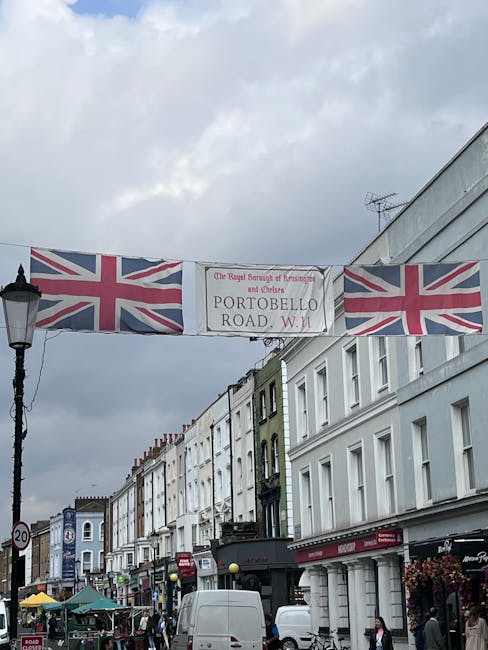
Case study: restoring a Portobello Road shopfront in Notting Hill
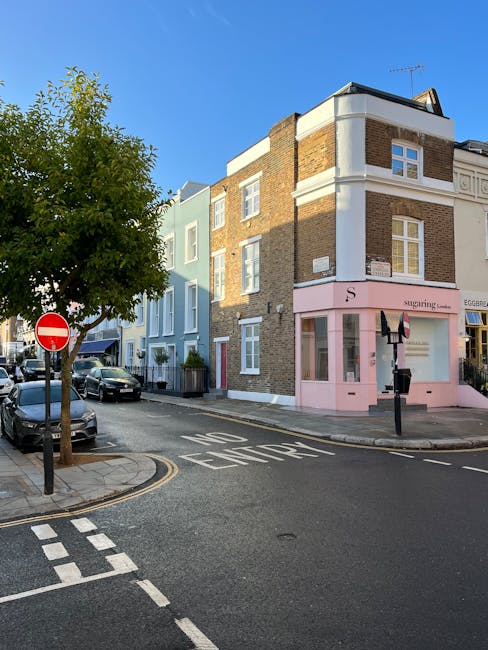
Portobello Road shopfronts carry a lot of weight. They are part street furniture, part brand statement, and part neighbourhood character. Restore one badly and it looks patched up. Restore it well and the whole frontage quietly lifts the street, the business, and even how people feel walking past in the first place. This article explores a practical case study: restoring a Portobello Road shopfront in Notting Hill, with the kind of detail that helps if you are planning your own project, assessing a property, or simply trying to understand what good restoration actually involves.
You will see why local context matters, how the work is usually approached, what can go wrong, and where the real value lies. Truth be told, shopfront restoration is one of those jobs that looks simple from the pavement and becomes wonderfully complicated once you get into the timber, signage, finishes, access, and day-to-day trading constraints. Still, that is exactly why it is worth doing properly.
Why Case study: restoring a Portobello Road shopfront in Notting Hill Matters
Portobello Road is not a generic high street. It has a mixed rhythm: weekday locals, weekend browsers, tourists with cameras, market traders, and small businesses that depend on footfall and first impressions. A tired, peeling, or poorly maintained shopfront can make a business feel forgotten, even if what happens inside is excellent. That is the first reason restoration matters.
There is also the character question. In areas like Notting Hill, customers notice detail. They notice paint quality, clean glass, balanced signage, intact timber mouldings, and whether a frontage feels in keeping with the building. A restoration project is not just about cosmetic uplift. It is about protecting place identity. Some streets can absorb a modern intervention. Portobello Road usually rewards restraint, sensitivity, and craftsmanship.
Then there is the commercial angle. A shopfront frames the sale before anyone steps inside. If the exterior feels well looked after, people tend to assume the same about the stock, the service, and the management. That perception is subtle, but it is real. And yes, a polished frontage can make a small shop feel much more established. Not magic. Just good presentation.
For property owners and leaseholders, restoration also helps reduce avoidable deterioration. Water ingress, failing sealant, damaged joinery, and neglected paint layers have a habit of becoming expensive if left alone. A well-planned project often costs less than repeated reactive repairs. If you are already thinking about building condition and local market appeal, it may be useful to read your essential guide to real estate in Notting Hill and the guide to Notting Hill home buying, because restoration decisions and property value questions tend to overlap sooner than people expect.
How Case study: restoring a Portobello Road shopfront in Notting Hill Works
Shopfront restoration usually follows a sequence: assess, specify, prepare, repair, finish, and maintain. The details vary depending on whether the frontage is timber, painted metal, glazed, or a mix of materials, but the core logic stays the same. You are trying to preserve what is worth keeping, replace what is beyond repair, and make sure the result is durable enough for London weather, heavy foot traffic, and the occasional bump from delivery equipment. Happens more often than you would think.
In practical terms, a good restoration begins with a condition survey. That means checking the joinery, fascia, cills, glazing bars, brackets, paint adhesion, sealant lines, drain points, and any hidden signs of damp. You also look for previous unsuitable repairs, which are common. Thick overpainting can hide rot. Silicone slapped over failing joints can look tidy for a month and then start failing at the edges. The sort of thing that gives restorers a headache.
From there, the scope is normally divided into three categories:
- Conservation repairs - retaining original materials where possible, such as timber sections that can be spliced rather than replaced.
- Like-for-like replacement - recreating damaged parts to match the original appearance and profile.
- Finish and presentation work - repainting, cleaning glazing, refreshing lettering, and improving the overall visual balance.
In a Portobello Road context, the visual result matters just as much as the technical one. A frontage should not shout. It should sit comfortably in the street. That often means using period-appropriate proportions, a restrained colour palette, and signage that is legible without overwhelming the architecture.
After the main work, maintenance planning is essential. A restored shopfront without a maintenance plan is just a future repair bill waiting politely in the wings. Seasonal inspections, spot repairs, and prompt cleaning make a huge difference.
Key Benefits and Practical Advantages
The most obvious benefit is appearance, but that is only part of the story. A restored shopfront does more than look nicer. It can support the business in ways that are easy to overlook when the project starts.
1. Stronger street presence
Good restoration sharpens the first impression. Passers-by read the frontage in seconds. Clear glass, balanced signage, and freshly finished timber all help.
2. Better protection from weathering
Rain, frost, pollution, and UV exposure all chew through neglected surfaces. Restoration seals those weak points and helps stop minor defects turning into major ones.
3. More credible brand presentation
People tend to trust businesses that look cared for. It is not entirely fair, but it is human nature. A smart exterior can improve dwell time and curiosity.
4. Longer life for original features
Many older shopfronts contain details worth keeping. Restoring them, rather than replacing them wholesale, often preserves the character that makes the premises distinctive.
5. Lower disruption over time
If the work is done properly, you are more likely to reduce repeat patching, emergency fixes, and avoidable closures. That matters in a busy location where every day counts.
| Approach | What it usually involves | Best for | Main trade-off |
|---|---|---|---|
| Full restoration | Repairing, matching, repainting, and refreshing the full frontage | Prominent shopfronts with historic character | More planning and higher upfront effort |
| Partial refurbishment | Targeted repairs to damaged sections and cosmetic refresh | Frontages in fair condition | May leave some older issues in place |
| Replacement-led upgrade | Replacing more of the frontage with new materials and fittings | Severely deteriorated shopfronts | Can lose historic character if handled poorly |
Who This Is For and When It Makes Sense
This sort of project is not only for heritage specialists or large retail chains. In fact, the people who usually need it most are the ones balancing limited budgets with a frontage that is visibly tired. Small independents, cafe owners, gallery operators, vintage retailers, and landlords managing mixed-use property all fall into that group.
It makes sense when you notice any of the following:
- paint is flaking or blistering repeatedly
- timber is soft, split, or showing signs of decay
- glass or glazing seals are failing
- signage looks mismatched or visually cluttered
- the shopfront no longer fits the character of the street
- customers mention the exterior looks closed or dated
It also makes sense before a change in use, a new tenancy, or a rebrand. If you are planning internal works as well, the frontage should be considered early, not as an afterthought once the decorating is already underway. That mistake is common. Slightly annoying. Also expensive.
For landlords, the timing can be linked to wider asset planning. If you are weighing up condition, tenant appeal, and local demand, the broader context in whether you should move to Notting Hill and an insider's guide to Notting Hill can help frame how visible presentation influences perception in this area.
Step-by-Step Guidance
If you are approaching a shopfront restoration for the first time, the process feels easier once it is broken into smaller decisions. Here is a practical sequence that mirrors how a careful project is usually managed.
- Inspect the existing frontage
Start with a close look at the structure and finish. Check for rot, loose paint, movement, impact damage, corrosion, and any patches that seem out of character. - Record what should be kept
Not everything old should go. But some details, even imperfect ones, may be worth conserving because they define the building. Photograph mouldings, brackets, profiles, and original joinery before work begins. - Decide the restoration level
Be honest here. Do you need a light cosmetic refresh, or is the frontage asking for serious intervention? A half-measure on a damaged structure rarely satisfies for long. - Agree on materials and finish
Matching timber species, paint systems, glazing details, and signage style is crucial. This is where the character either comes together or quietly falls apart. - Prepare the site
Access, dust control, temporary protection, and trading arrangements matter. If the business is open, the plan should reduce disruption to customers and staff. - Carry out repairs in the right order
Structural and joinery repairs come before finishing. No point painting a problem into place. You want stable surfaces first. - Apply finish coats and detailing
Painting, lettering, glazing clean-up, and any decorative trim work usually happen near the end. This is the stage where the frontage starts to breathe again. - Inspect and hand over
Check edges, seals, symmetry, and the quality of finish in daylight. Evening can hide a lot. Morning light tells the truth. - Set a maintenance rhythm
Plan cleaning, touch-ups, and seasonal checks. A little upkeep protects the investment.
A small but useful point: schedule the final walk-through when the pavement is busy, if possible. You see the shopfront the way everyone else does. It is a simple reality check, and occasionally quite revealing.
Expert Tips for Better Results
Restoration work is full of small judgement calls. The best outcomes tend to come from disciplined choices, not just skilled hands. A few practical tips make a noticeable difference.
Respect the building's proportions. A narrow fascia, a balanced display window, and clean reveals often look better than decorative overload. The aim is harmony, not a costume.
Choose finishes that age gracefully. In a busy London setting, ultra-delicate surfaces can become difficult to maintain. Durable, breathable, and repairable systems are usually the smarter long-term bet.
Test colours in real daylight. Portobello Road light changes through the day, and colours can look very different in shadow, overcast weather, or direct sun. What seems elegant at 9 a.m. may look harsh by 4 p.m.
Keep the entrance clear and legible. If people cannot read the name, understand the opening point, or see what the business offers, the frontage is not doing its job.
Do not over-clean historic surfaces. More cleaning is not always better. Some materials need gentler treatment, especially if previous coatings are already fragile.
Plan for maintenance before the project ends. A one-line schedule and a basic inspection routine are worth having in writing. Nothing fancy. Just enough to keep everyone honest.
One last thing: if a proposed fix sounds quick and miraculous, be cautious. Restoration rarely works like a television makeover. There is usually more to it, and that is fine.
Common Mistakes to Avoid
The most expensive mistakes are often the least dramatic. They start with a small shortcut and end in rework. Here are the ones that come up again and again.
- Painting over unresolved damage - it hides the issue briefly, then the defect returns through the finish.
- Replacing too much too quickly - original material is often worth saving, even when it looks tired at first glance.
- Ignoring drainage and water entry points - a perfect paint job will not survive a persistent leak.
- Using mismatched signage - a modern sign can work, but only if it sits comfortably with the building and street.
- Underestimating access needs - scaffolding, pavement arrangements, and trading hours can shape the whole project.
- Leaving maintenance vague - "we'll keep an eye on it" is not really a maintenance plan.
One more that matters: not involving the right decision-makers early. A landlord, tenant, designer, and contractor can each be looking at a different version of "finished." If those expectations are not aligned, the result can be awkward. Nobody wants that conversation at handover.
Tools, Resources and Recommendations
You do not need a shed full of specialist kit to understand or manage a shopfront restoration project, but you do need the right information and a sensible approach to quality control.
Useful things to have on hand include:
- clear photographs of the existing frontage from several angles
- a simple condition log showing areas of decay, corrosion, or cracking
- sample boards or colour references
- a written scope that separates repairs from decorative work
- an agreed maintenance schedule
- evidence of any permissions or approvals needed before work starts
For nearby property owners or tenants looking at broader upkeep, our practical articles on Portobello Road flat cleaning tips and Westbourne Park flat care are helpful reminders that exterior presentation and interior upkeep tend to support each other. A clean, cared-for business usually feels more organised end to end.
If the project is part of a wider move, fit-out, or turnover, it can also help to review the services overview and pricing and quotes pages so you can think about operational support alongside the restoration itself.
Law, Compliance, Standards, and Best Practice
Shopfront restoration in London may involve planning considerations, building safety expectations, lease conditions, and local conservation sensitivities. The exact requirements depend on the property, the street, the building status, and the scope of the work, so it is sensible to treat compliance carefully rather than assuming a one-size-fits-all answer.
At a practical level, best practice usually includes:
- checking whether external alterations need approval before work starts
- confirming lease obligations if you are a tenant or leaseholder
- using suitable access arrangements and safe working methods
- keeping the public walkway protected and unobstructed where possible
- choosing repair methods that are compatible with existing materials
- documenting the condition before and after the work
Where historic character is involved, the guiding principle is usually proportionality: do the least disruptive work that achieves a durable and appropriate result. That sounds simple, but in practice it takes judgement. It also takes patience, which is not always fashionable.
Health and safety should never be treated as box-ticking. If the project involves height work, dust, solvents, lifting, or public access, the method statement matters. For additional context on wider site practice, you may want to look at the health and safety policy and insurance and safety information to understand the kind of safeguards that should be in place on any professional job.
Accessibility is also worth thinking about. A restored shopfront should not only look good; it should remain welcoming and usable. Clear entrances, sensible thresholds, readable signage, and uncluttered approach routes all help. If you are thinking in that direction, the accessibility statement is a useful reminder of inclusive design thinking.
Options, Methods, or Comparison Table
Not every frontage needs the same level of intervention. Choosing the right method is half the job. The wrong level of work wastes money; the right one makes the whole thing feel calm and intentional.
| Method | Pros | Cons | Typical fit |
|---|---|---|---|
| Light refresh | Fast, lower disruption, visually lifts the frontage | Does not solve deeper defects | Sound structure, tired finish |
| Targeted restoration | Balances cost and quality, preserves more original fabric | Needs careful inspection and matching | Most Portobello Road shopfronts in decent condition |
| Comprehensive restoration | Best for heavily worn or historically important frontages | More time, more planning, more coordination | Severe wear, moisture issues, or repeated failures |
If you are unsure which route to take, start with the condition of the substrate, not the finish you wish you had. That is the honest answer. Fancy paint cannot rescue bad timber.
Case Study or Real-World Example
Here is a realistic example of how a Portobello Road shopfront restoration might unfold.
A small independent retailer occupies a narrow frontage on a busy stretch of Portobello Road. The business is doing fine, but the exterior has started to look exhausted. The paint is patchy, there are small areas of timber decay around the lower sections, the signage feels too visually heavy, and the glass no longer sparkles. None of it is catastrophic. But all together it sends the wrong signal.
The first step is a measured inspection. The owner and contractor identify which timber sections can be repaired and which need local replacement. Previous overpainting is carefully dealt with, the failed sealant is removed, and the lower joinery is treated before new finish coats go on. The signage is simplified so it reads clearly without crowding the display window. The colour choice is kept in tune with the street, not trendy for the sake of it. That last bit matters more than people admit.
During the work, the shop keeps trading with minimal disruption. The pavement area is protected, and the most visible finishing happens at a time when the business can prepare properly for reopening. On completion, the frontage no longer looks over-restored. It just looks settled, cared for, and right for the road.
What changes most is not only appearance. Staff notice the difference first. Customers slow down a little more. The display feels more intentional. The business starts to present itself the way it actually feels inside. That is the real value of good restoration.
Expert summary: A successful shopfront restoration on Portobello Road should protect original character, improve durability, and make the business look unmistakably looked after. The best results are usually calm rather than flashy.
Practical Checklist
Before you commit to a restoration plan, run through this checklist. It keeps the project grounded.
- Have you inspected all visible and hidden damage?
- Do you know which original features should be preserved?
- Has the scope been split between repair, replacement, and finishing?
- Are the materials and colours appropriate for the building and street?
- Have access, trading hours, and public safety been planned properly?
- Are any permissions, lease checks, or approvals needed before starting?
- Will the finished frontage be easy to maintain?
- Have you agreed on a realistic handover and inspection process?
- Is there a plan for seasonal maintenance and touch-ups?
- Have you allowed enough time for drying, curing, and final detailing?
If you can answer yes to most of those, you are probably in good shape. If not, slow down a bit. Better to sort the plan now than fix regrets later.
Get a free quote today and see how much you can save.
Conclusion
Restoring a Portobello Road shopfront in Notting Hill is about much more than fresh paint and tidier signage. It is a practical investment in character, confidence, and long-term durability. When the work is done properly, the frontage feels like it belongs to the street again. That sense of fit is hard to fake, and even harder to ignore.
If you are weighing up whether to refresh, repair, or fully restore, the best place to begin is always the condition of the existing frontage and the kind of impression you want it to make. Do that with care, and the rest becomes much clearer. A good shopfront does not need to shout. It just needs to look like someone was paying attention.
And honestly, in a place like Notting Hill, attention is half the story.
Frequently Asked Questions
What does restoring a Portobello Road shopfront usually involve?
It usually includes inspection, joinery repairs, replacement of damaged sections, repainting or refinishing, glazing touch-ups, signage review, and a final maintenance plan. The exact scope depends on the current condition.
Why is shopfront restoration especially important in Notting Hill?
Because the area has a strong visual identity and heavy footfall. A cared-for frontage helps a business feel credible, and it supports the character of the street rather than fighting against it.
How do I know whether I need repair, partial refurbishment, or full restoration?
Start with a condition survey. If the structure is stable and the damage is mostly cosmetic, a lighter approach may be enough. If there is rot, movement, or repeated failure, a fuller restoration is usually more sensible.
Can original timber shopfront features be saved?
Often, yes. Many sections can be repaired or spliced if the decay is limited. The key is to assess the structure early rather than assuming replacement is the only option.
How long does a shopfront restoration take?
It depends on scope, access, weather, drying times, and whether the business remains open during the work. A small refresh may be relatively quick, while a more detailed restoration naturally takes longer.
Will restoration disrupt trading?
Usually there is some disruption, but it can often be managed. Good planning around access, protection, and working hours makes a big difference. The less you leave to chance, the better.
What are the biggest mistakes to avoid?
Painting over damage, replacing too much too soon, ignoring water ingress, and choosing mismatched signage are all common problems. Another big one is failing to plan maintenance after the job is done.
Do I need permission before changing a shopfront?
Possibly. Requirements depend on the property, lease, and any local planning or conservation considerations. It is wise to check before work starts rather than assuming a cosmetic change is automatically fine.
How do I choose the right colours for a Portobello Road frontage?
Test colours in natural daylight and consider the building's proportions, the street context, and the brand personality. A colour that looks elegant on a sample board may read very differently once it is on the full frontage.
What should I ask a contractor before starting?
Ask how they will inspect hidden damage, how they handle repairs versus replacement, what materials they recommend, how they manage public safety, and what maintenance advice they provide after completion.
Is restoration better than replacing the whole shopfront?
Not always, but often yes if the original fabric is still sound enough to save. Restoration usually preserves character better and may be more cost-effective over the long term. Replacement makes sense when damage is too extensive.
What happens after the restoration is finished?
You should inspect the work carefully, note any follow-up items, and set a simple maintenance routine. Small, regular upkeep is the easiest way to protect the result and keep the frontage looking fresh.